How Reading Food Labels Changed My Routine (and How the Yuka App Completely Changed the Way I Shop)

A few years ago, I believed I was making healthy choices.
I bought products labeled "natural," "whole grain," "gluten-free," and "low fat." If the packaging looked healthy, I assumed it probably was.
That's when I began reading ingredient labels—and eventually discovered the Yuka app. Together, they completely changed how I grocery shop and what I feed my family.
I'm not perfect, and I still enjoy treats occasionally. But now I make informed decisions instead of guessing.
The Day I Started Reading Labels
At first, reading labels felt overwhelming.
The ingredient lists were full of words I couldn't pronounce, and the nutrition facts seemed confusing. I had no idea how much sugar was hiding in foods I considered healthy.
Some of the biggest surprises included:
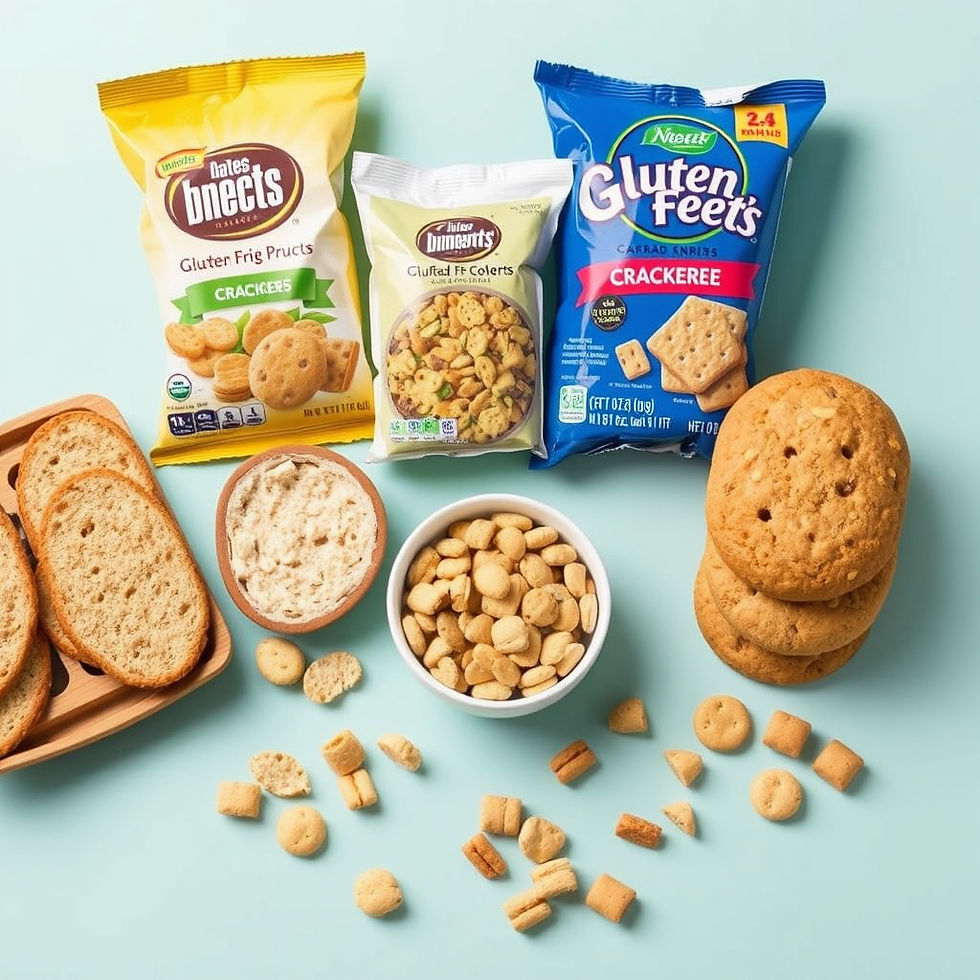
- Gluten-free snacks loaded with added sugar.
- Salad dressings containing multiple sweeteners.
- Granola bars marketed as "healthy" but packed with syrups.
- Yogurts with more sugar than dessert.
- Sauces full of preservatives and artificial ingredients.
I quickly realized that the front of the package is designed to sell the product. The ingredient list tells the real story.
Then I Found the Yuka App
The biggest turning point came when I downloaded the Yuka app.
Instead of standing in the grocery store trying to decode ingredient lists, I simply scanned the barcode.
Within seconds the app showed:
- An overall product score.
- Ingredient quality.
- Additives that may be concerning.
- Nutritional information.
- Healthier alternatives available in many cases.
It felt like having a nutrition guide in my pocket.
For someone trying to reduce inflammation and make cleaner food choices, it made shopping much less stressful.
Hidden Sugars I Never Expected
One of the most eye-opening discoveries was how many different names sugar can hide behind.
I started noticing ingredients like:
- Brown rice syrup
- Cane juice
- Dextrose
- Maltodextrin
- Corn syrup solids
- Glucose syrup
- Malt syrup
Sometimes a product contained three or four different sweeteners in one package.
No wonder I was eating far more sugar than I realized.
Now I always scan the ingredient list before placing something in my cart.
Additives That Changed My Shopping Habits
The app also introduced me to food additives I had never paid attention to.
While not every additive is harmful, I became much more aware of how heavily processed some foods really are.
Instead of automatically buying my usual brands, I began comparing products side by side.
Many times I found another option with:
- Fewer ingredients.
- Less added sugar.
- No artificial colors.
- Fewer preservatives.
- Better nutritional quality.
These small swaps gradually became my new routine.
My Favorite Feature: Healthier Alternatives
One feature I use constantly is the healthier alternative suggestions.
Sometimes my favorite product receives a poor score.
Instead of simply telling me to avoid it, the app often recommends another product with cleaner ingredients.
That has helped me discover brands I probably never would have tried otherwise.
Little by little, my pantry has become filled with foods that are simpler and less processed.
The Pros of the Yuka App
After using it regularly, here are the biggest benefits I've noticed:
- Makes grocery shopping much faster.
- Helps identify hidden additives.
- Reveals added sugars.
- Easy barcode scanning.
- Encourages healthier swaps.
- Helps compare similar products.
- Great learning tool for understanding ingredients.
For anyone beginning an anti-inflammatory lifestyle, it can be an excellent educational resource.
The Cons of the Yuka App
No app is perfect, and I don't think it should replace common sense.
Some drawbacks include:
- Not every product is available in the database.
- Scores don't always match individual dietary needs.
- Some highly rated foods may still not fit your personal goals.
- Local or small brands may be missing.
- Sometimes a low score is based on one ingredient while the rest of the product is quite good.
I've learned to use the app as a guide—not as the final authority.
How It Changed My Daily Routine
Today my grocery shopping looks completely different.
I spend less time looking at flashy packaging and more time reading ingredients.
I automatically compare products before buying.
I pay closer attention to added sugars.
And I've discovered healthier brands that I genuinely enjoy.
Most importantly, I feel more confident about the choices I'm making.
Final Thoughts
Learning to read labels has been one of the most valuable habits I've ever developed.
The Yuka app didn't magically change my health overnight, but it helped me become a much more informed shopper.
If you're beginning your own anti-inflammatory journey, don't feel like you have to change everything at once.
Start by reading one label.
Scan a few products.
Compare similar brands.
Those small decisions add up over time, and before you know it, your grocery cart—and your routine—may look completely different too.
Have You Tried It?
Have you ever used the Yuka app or started reading ingredient labels more carefully? I'd love to hear what surprised you the most.
Made With Love, for You, from Me
This is based on my personal experience and is for informational purposes only. It is not intended as medical advice.


Comments