12 Hidden Triggers of Inflammation (Most Women Overlook)

You’re eating clean.
You’ve cut gluten.
You’ve removed dairy.
And yet… you still feel bloated, tired, or inflamed.
If that sounds familiar, you’re not alone.
For a long time, I thought inflammation was only connected to obvious 'bad foods'. But over time, I learned that many of the biggest triggers are hidden in everyday habits - even the ones that seem healthy.
The good news? Small, realistic changes can make a huge difference!
Let's get into the hidden triggers that may be keeping your body inflamed!
Why This Matters More Than You Think?
If you constantly feel tired, bloated, sluggish or puffy —even while eating “healthy”—it's not always because you 're doing something wrong.
Sometimes it's the small daily habits, hidden ingredients, and constant stress on the body that quietly add up over time.
Learning your personal triggers can completely change how you feel!
Hidden Sugar (Even in “Healthy” Foods):
You might not be eating desserts daily—but sugar hides in:
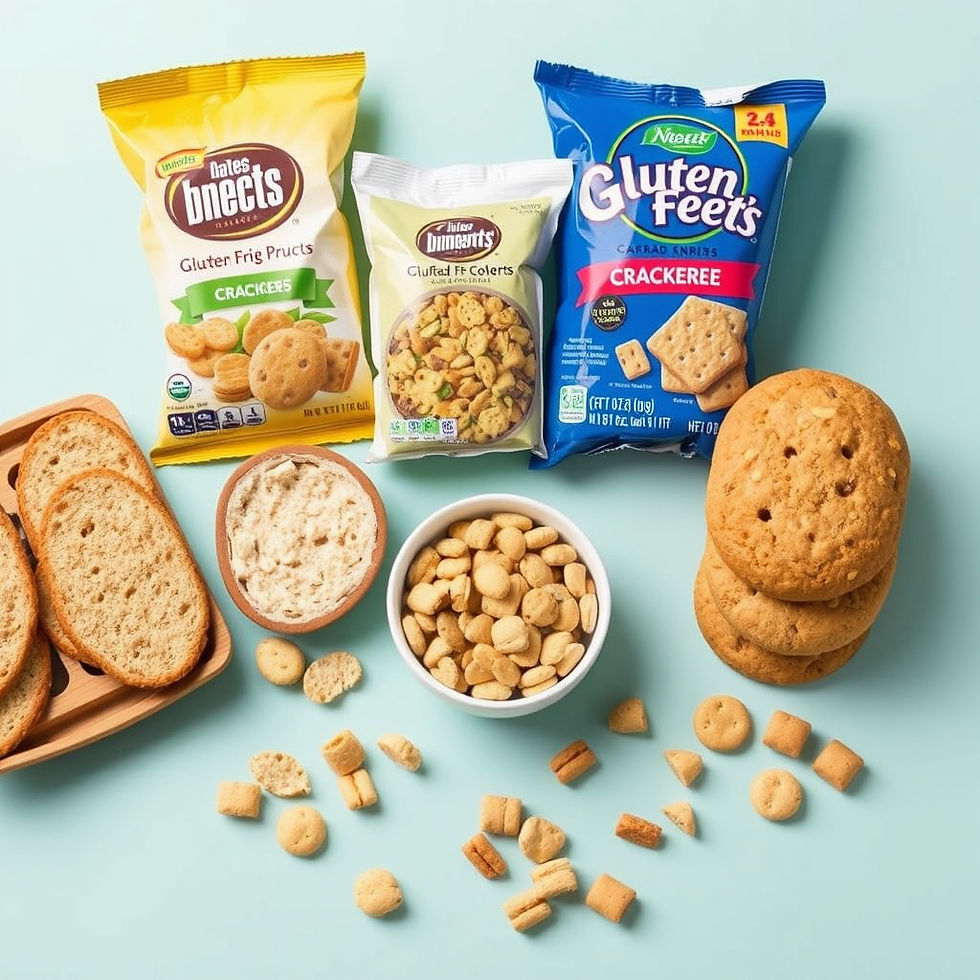
Gluten-free snacks
Protein bars
Store-bought sauces and dressings
Too much sugar spikes insulin and fuels inflammation in the body.

This has been a personal struggle for me because I love sweets! But I've learned to be more intentional by reading labels and choosing better options like trial mix, dried fruits, and a bit of dark chocolate instead.
What to do instead:
Focus on whole foods and check labels. Aim for naturally sweet options like berries instead of processed snacks.
Processed Gluten-Free Foods
Just because it’s labeled “gluten-free” doesn’t mean it’s anti-inflammatory. Many gluten-free products are:
Highly processed
Loaded with refined starches
Low in nutrients
I've also learned that many gluten-free foods contain more sugar than expected. Since gluten is what gives structure and elasticity to baked goods, manufacturers often add extra sugar and starches to improve texture and taste when it's removed.
What to do instead:
Build meals around whole foods like quinoa, sweet potatoes, vegetables, and clean protein sources.
Dairy (Even in Small Amounts)

For many women, dairy can quietly trigger:
Bloating
Skin issues
Digestive discomfort
Inflammation
Even small amounts (like in coffee or sauces) can add up.
It’s striking how many women may have dairy allergies without realizing it. Symptoms can be subtle, and in the midst of work, family, and household responsibilities, signs like bloating are often easy to overlook.
I personally noticed a big difference in how I felt once I became more aware of hidden dairy ingredients in sauces coffee drinks, and packaged foods. Years later, I have actually found that I was dairy intolerant.
What to do instead:
Swap with dairy-free alternatives like almond, coconut, or cashew-based options. However, be careful and always check the amounts of added sugar and bad additives.
Seed Oils & Processed Fats
Highly processed oils like soybean, corn, and canola oil are found in many packaged and restaurant foods.
These oils are hard to avoid completely, but consuming them regularly can contribute to inflammation over time.
What to do instead:
At home, I cook mostly with olive oil, avocado oil or coconut oil, and focus on less processed meals overall.
Chronic Stress
This is one of the most overlooked triggers.
You can eat perfectly and still feel inflamed if your body is constantly stressed. Stress affects:
Hormones
Sleep
Digestion
Recovery
And sometimes the body simply never gets a chance to fully reset.
What to do instead:
I've learned that slowing down matters just as much as eating healthy. Even small habits like walking outside, quiet mornings, or eating meals without rushing can help.
Feeling like a few of these apply to you?
You don’t need to change everything overnight.
Start with a simple reset.
Poor Sleep
Sleep is one of the biggest foundations of recovery!
When sleep is off, inflammation tends to rise - and you often feel it quickly through:
Low Energy
Cravings
Brain Fog
Slower Recovery
I notice a huge difference in my body when I consistently prioritize sleep versus when I don't.
What to do instead:
Focus on consistency over perfection! A calming nighttime routine and less screen time before bed can help more people realize!
Overtraining

More exercises is not always better.
This is a big lesson for me because I love being active. But too much exercise without enough recovery can increase stress on the body instead helping it. Overtraining may lead to :
Fatigue
Elevated cortisol
Increased inflammation
Slower muscle recovery
What to do instead:
Rest days, balanced meals, hydration, and enough protein are all part of progress too!
Gut Imbalance
Your gut affects so much more than digestion. When your gut is struggling, it can show up as:
Bloating
Food sensitivities
Fatigue
Skin issues
I used to think bloating after meals was 'normal', but learning more about gut health changed that perspective completely.
What to do instead:
Keep meals simple, nourishing, and consistent instead of constantly jumping between restrictive diets.
Alcohol

Even moderate alcohol intake can affect:
Gut health
Sleep quality
Recovery
Hydration
Many people don't realize how strongly alcohol can affect inflammation until they reduce it for a while.
What to do instead:
Focus on balance, hydration, and being mindful about frequency rather than aiming for perfection.
Not Eating Enough (Especially Protein)
Undereating can stress the body just as much as overeating. This is especially important if you work our regularly. Not eating enough protein and balanced meals can contribute to:
Fatigue
Poor recovery
Hormonal imbalance
Increased inflammation
What to do instead:
Prioritized balanced meals with protein, healthy fats, fiber, and carbs that actually fuel your body.
Dehydration
Even mild dehydration can put stress on the body and contribute to inflammation. I've noticed that when I'm dehydrated, my energy, digestion, and recovery all feel off.
What to do instead:
Drink water consistently throughout the day - not just when you feel thirsty. Electrolytes and mineral-rich foods can also help support hydration.
Too Much (or Too Little) Salt
Salt is one of those things that's all about balance.

Too much highly processed salt (found in packaged foods) can contribute to water retention, while too little salt—especially when active —can lead to fatigue and headaches.
What to do instead:
I focus more on reducing heavily processed foods while using quality salt in balanced amounts at home.
So What Should I Actually Eat?
Knowing what to avoid is helpful - but what really makes a difference is having a simple plan you can realistically follow.
Because most of us don't want to:
Overthing every meal
Read labels for hours
Feel stressed about food
We just want meals that help us feel good!
Get My 3-Day Anti-Inflammatory Meal Plan!
If you’re ready to support your body without the overwhelm, I created a simple meal plan to help you get started!
Inside, you'll get:
3 full days of gluten-free, dairy-free meals
Simple anti-inflammatory ingredients
Balanced meals to support energy and recovery
Easy ideas that actually fit real life
Final Thoughts:
Inflammation usually isn't caused by one single thing!
More often, it's a combination of small habits, hidden ingredients, stress, lack of recovery, and daily choices that quietly affect how we feel.
The encouraging part is that small changes truly do matter!
You don't have to do everything perfectly or at ones to start feeling better!
Made With Love, for You, from Me
This is based on my personal experience and is for informational purposes only. It is not intended as medical advice.


Comments